Chapter 02 · Prep
Getting ready for market
Every listing comes with expert staging, professional photography, and targeted marketing. All provided free. No upfront cost, and nothing taken out at closing. You have my word.
The scope of these services is built around each listing and what the market needs for it. We'll decide together what makes sense for your sale.
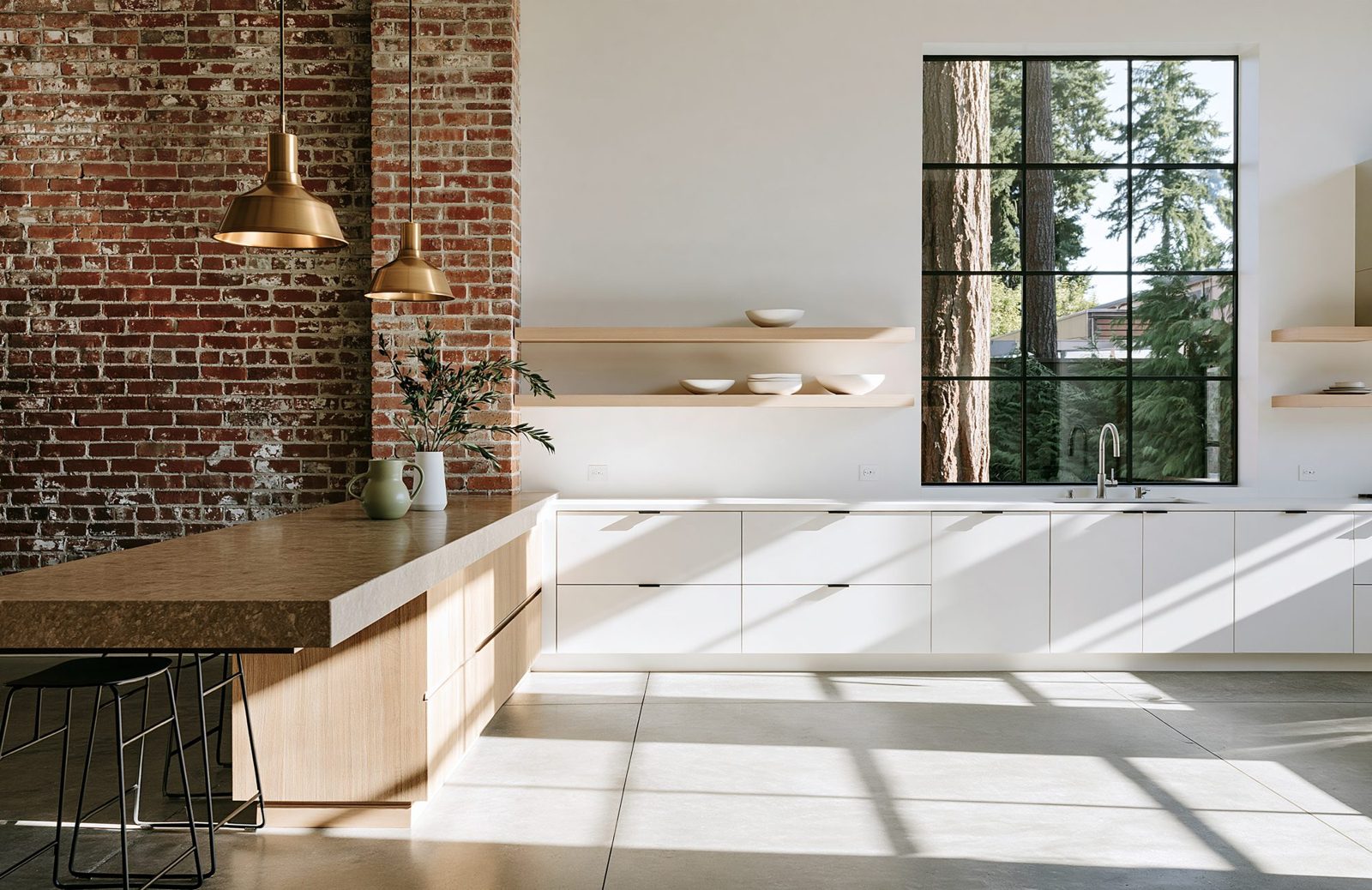
Staging sells possibilities.
It strips away the distractions so buyers stop looking at your furniture and your routines and start picturing their own life in the rooms: where their sofa goes, how they'd host, how a Tuesday morning would actually work.
Vacant homes.
A vacant home gives us room to work. Vendors can prep and stage without interruption, showings can happen any time, and more access means more buyers through the door.
Owner-occupied homes.
If you're living there while we sell, we work with what you have. I assess and edit your current furnishings to highlight each room's strengths, and I schedule vendors around your availability. Work, kids, pets. No problem.


Selling and buying at the same time
If you need the equity in your current home to get into the next one, there are several ways to make the move work. The right one depends on your finances, your timeline, and the market. I'll walk you through the risk and the upside of each, then coordinate the details so you move forward with as little disruption as possible.
Bridge loan.
Short-term financing that lets you buy before your current home sells. The lender releases part of your equity, usually for a fee based on your projected list price. You can use it for your next down payment, for prep work on the home you're selling, or to carry both mortgages during the overlap.
Contingent offer.
Your purchase depends on your current home selling. You never own two homes at once, but in a competitive market it can cost you leverage with the seller.
Rent-back agreement.
You close on your sale, then rent the home back from the buyer for a set period. That buys you time to find and close on the next one without moving twice.
Temporary housing.
You sell first, then move into a rental or stay with family while you shop. No contingencies, a stronger buying position, and two moves.
The ideal 30-day prep timeline
Most listings follow a 30-day prep window with a lot of moving pieces, from planning to launch. I run it end to end so nothing gets missed.
WEEK 1
Inspections, scheduling, and declutter
- Pre-inspection scheduled and completed, plus the county septic records (RSS) if you're on septic
- Vendors booked: repairs, paint, flooring, cleaning, staging
- Personal belongings and furniture that won't stay with the home cleared out
WEEK 2
Repairs and cosmetic work
- Repairs continue in order of priority, based on the inspection
- Paint, flooring, and other cosmetic updates sequenced in the right order
- Exterior maintenance and curb appeal underway or done
WEEK 3
Owner clean and detail work
- Your cleaning and touch-ups finished before the professionals arrive
- Final punch list wrapped up: caulk, hardware, small fixes
- Closets, storage, and surfaces organized for showings
WEEK 4
Professional clean, staging, and media
- Professional deep clean of the whole home
- Staging or light styling installed and adjusted
- Photos and media completed, listing ready to launch
Repairs, updates, and the pre-inspection
Not every project is worth your money. We fix what could kill the deal first, then spend on what attracts more buyers per dollar.
Start with a pre-inspection.
- It tells us what the buyer's inspector will find, instead of guessing.
- We can fix it now, disclose it up front, or price with it in mind.
- If the home inspects well, we can hand the report to buyers, which gives us a real shot at getting the inspection contingency waived.
Fix what matters most.
- Anything that could scare buyers, raise safety concerns, or cause problems with a lender.
- Obvious issues that make a home feel neglected: leaks, damaged finishes, broken fixtures.
- Skip the expensive projects that don't change what the home is worth.
Small changes, big impact.
- New lighting, mirrors, and cabinet hardware modernize a room fast.
- Sometimes painting or refinishing the cabinets makes the existing counters look intentional, and saves you from replacing them.
- We focus on changes that photograph well and stop buyers mid-scroll.
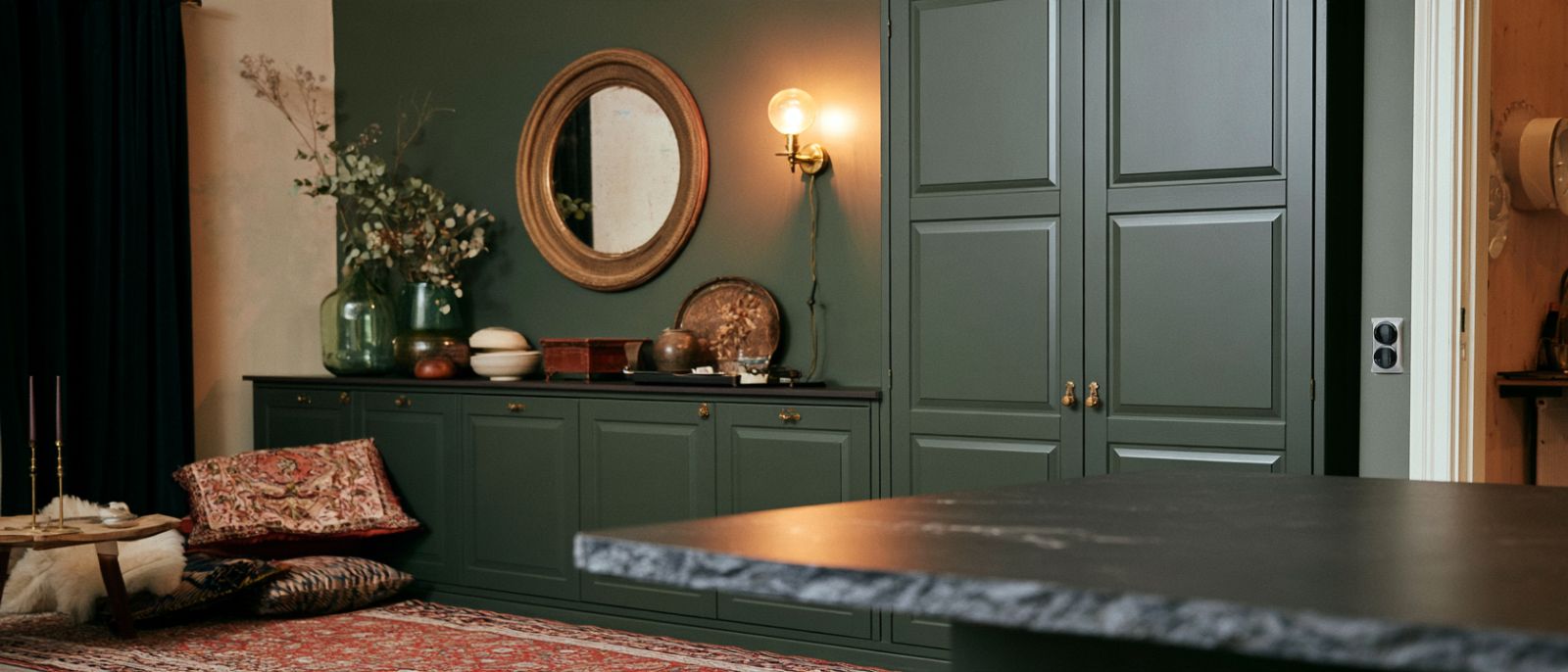
No one-size-fits-all prep.
Every home and every sale is different. A trendy update that pays off in one neighborhood or price range can be wasted money in another. We'll decide together based on what actually moves the number in your price range and your neighborhood. The goal isn't a perfect house. It's the strongest sale with the least stress.
Choosing the right vendors
Listing prep is a chain of independent vendors, timelines, and decisions, and every link affects your launch date and your bottom line. My job is to run it like an orchestra: the work happens in the right order, the costs stay visible, and you're never guessing what happens next.
Neighborhood Experts has deep roots in this market. Our brokerage sends a meaningful share of business to local vendors, and those relationships tend to mean faster responses and tighter scheduling when timing matters.
- Use my recommendations, your own vendors, or a mix. Multiple estimates are encouraged.
- I schedule and sequence everything so vendors aren't working on top of each other.
- Nothing gets scheduled and no money gets spent without your approval.
- I track every expense, whichever vendors you choose, so you always see what's being spent and why.
When cash flow is the problem.
I can sometimes front certain prep expenses to keep things moving. If we go that route, we agree on the scope in writing first, you approve each expense in advance, and I give you an expense report with every invoice and receipt. Those costs are reimbursed at closing, along with an additional fee for the administrative work and liability.
I know who to call for:
- odor remediation
- junk removal
- car removal
- flooring and carpet
- roofing
- moss and algae
- interior and exterior paint
- retaining walls
- decking
- windows
- packing and moving
- storage
- short-term housing
- landscaping
- cleaning
- electrical
- HVAC and systems
- plumbing
- unpermitted work
- deferred maintenance
- boundary surveys
- cabinets
- mold remediation
- insulation
- pest removal
- financing
- handyman repairs
Cleaning and decluttering
Buyers notice how clean a home is within seconds. If it looks or smells off, they start adding up the cost of fixing it. The goal is simple: don't lose buyers over something preventable.

Dust and allergens.
Pet hair, dander, dusty blinds, vents, ceiling fans, and baseboards all read as neglect, and they can send allergy-prone buyers right back out the door. A thorough vacuum, dust, and vent wipe-down keeps more buyers in the house long enough to fall for it.
Odors.
Smell is the fastest way to lose a buyer. Pets, cooking, and smoke make buyers wonder how hard it'll be to erase the last owner. Heavy candles, plug-ins, and sprays are just as bad, since plenty of people are sensitive to fragrance. Aim for neutral: fresh air and no obvious scent. Don't try to cover anything up.
Touch and surfaces.
Sticky banisters, greasy cabinet pulls, grimy light switches, soap scum, and stained sinks all suggest bigger maintenance problems. Clean, smooth surfaces quietly tell buyers the home was maintained, not just staged.
Pro tip: Do a solid basic clean yourself before the professionals come in. Let them spend their time on the detail work (blinds, baseboards, inside drawers and cabinets, windows), and you'll usually spend less.